DDP Incoterm (and the former DDU): selling duty paid into an African country
SocoAfrica editorial team · Updated on
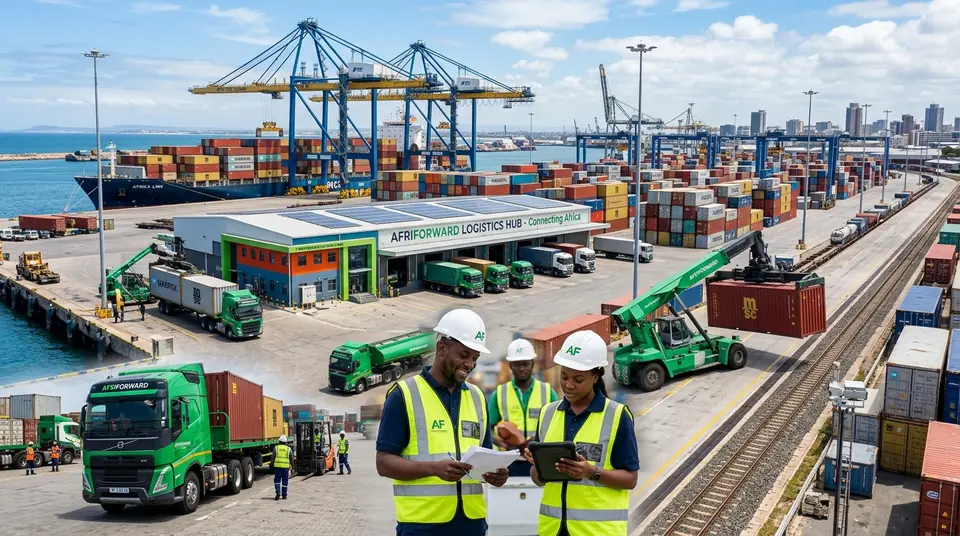
Under the DDP Incoterm, the seller delivers the goods cleared for import in the buyer's country and bears the import duties and taxes. Here is what the Incoterms 2020 rules provide, what DDU used to be, and why ICC urges caution when exporting to Africa.
Key points
- According to French Customs, DDP is the rule that places the maximum level of obligations on the seller, including import clearance.
- DDU (Delivered Duty Unpaid) was withdrawn by ICC in the Incoterms 2010 revision, which added the DAT and DAP rules.
- ICC notes that some countries prohibit foreign entities from carrying out import customs and tax formalities.
- For Morocco, ICC states (January 2025) that a DDP import sale is not practical, since customs formalities require registration with the Moroccan Trade Register.
- Where the seller cannot clear goods at destination, ICC advises considering DAP or DPU, under which import clearance remains with the buyer.
DDP Incoterm: what Delivered Duty Paid means
DDP stands for Delivered Duty Paid. The French Customs technical sheet on Incoterms 2020 describes it as the rule that places the maximum level of obligations on the seller, who bears all risks and costs, including customs clearance, up to the agreed place. The goods are delivered cleared, ready for unloading at the place of destination.
ICC Academy (2025) specifies that the seller handles and pays for export, transit and, importantly, import clearance formalities. The seller also carries the risk of delivering the goods to the agreed destination. According to the same customs sheet, only insurance and unloading costs at destination remain with the buyer.
DDP is one of the seven so-called multimodal rules: it can be used with any mode of transport, including container shipments. You will see the same rule written as "DDP incoterm", "DDP incoterms" or "duty paid incoterms": these all refer to the same ICC rule.
DDU Incoterm: a term removed in 2010
DDU, for Delivered Duty Unpaid, no longer exists in the official rules. ICC states that the Incoterms 2010 revision consolidated the D family by removing DAF, DES, DEQ and DDU, and adding DAT and DAP. In 2020, DAT was in turn replaced by DPU, according to French Customs.
In practice, a contract that still refers to a "DDU incoterm" points to an outdated version of the rules. French Customs notes that under DAP, unless the contract provides otherwise, import customs formalities and payment of import duties and taxes fall on the buyer, which matches the logic of the former DDU.
Team France Export (2026) recommends stating in the contract the Incoterm, the precise place and the version used, for example "Incoterms 2020". This prevents an old term such as DDU from being read differently by each party.
The risks of DDP for an exporter selling into an African country
The ICC Secretariat Guidance Note on DDP, included in its document on national regulatory barriers (updated January 2025), is clear: the seller is responsible for import clearance in the destination country, which can cause problems. In some countries, foreign entities are simply not allowed to carry out import customs and tax formalities.
Even where this is allowed, ICC points out that complying with legal and administrative requirements in the buyer's country can be difficult and costly, an especial burden for small and medium-sized sellers. Team France Export adds that accepting DDP without mastering the destination country's customs and regulations can represent a major financial risk.
Morocco illustrates the point. According to ICC, import or export customs formalities there require registration with the Moroccan Trade Register and a number entered on the declaration. The declarant, its agent and guarantor are liable for duties and taxes (article 87 of the Customs Code). ICC concludes that a DDP import sale into Morocco is not practical and that these formalities are better left to the Moroccan buyer.
Duties, taxes and documents: what a DDP seller must master
According to ICC Academy, the DDP price covers the documents required by customs, such as tariffs, taxes, permits and licences. Before quoting, the seller therefore needs to know the regime that applies to the product in the destination country: classification, duties, taxes and any authorisations. Without this information, the price rests on a basis the seller does not control.
ICC Academy also notes that the seller remains ultimately responsible for import clearance and any associated challenges. A customs delay or a missing document therefore falls on the seller, not on the buyer.
In the opposite direction, an African exporter selling DDP into France should know that the EU customs value is a value at the Union frontier, assessed at the first point of entry into the customs territory of the Union, according to French Customs.
What alternatives to DDP when selling in Africa?
ICC states that where clearance at destination is impossible or too burdensome, the seller would be better advised to consider the DAP or DPU rules, under which the obligation and cost of import clearance lie with the buyer. ICC Academy (2025) makes the same point for a seller who does not want to handle import or is prevented by local rules.
These rules are covered in detail in another guide on our blog. The key point here is that the choice is not made on price alone: it depends on your real ability to complete formalities in the buyer's country. ICC Academy also notes that there is no "right or wrong" rule, only one that fits the transaction better or worse.
If you still choose DDP, name a precise place of delivery and check who, locally, can act on your behalf with customs. In Morocco, for example, ICC specifies that only companies registered with the Trade Register or persons residing in Morocco can obtain a customs agent licence.
Preparing a DDP sale with SocoAfrica
Before committing to DDP, identify reliable partners in the destination country: importers, freight forwarders and customs brokers. The SocoAfrica directory lists companies from eight African countries, sorted by country and sector.
You can also post a request for quotation for free on /rfq/ to receive offers from logistics providers, and check a company's verification level on /verification/ before entrusting it with part of your import chain.
Frequently asked questions
- What does the DDP Incoterm mean?
- DDP stands for Delivered Duty Paid. The seller bears all risks and costs up to the agreed place, including import clearance, according to French Customs.
- Does the DDU incoterm still exist?
- No. ICC removed DDU in the Incoterms 2010 revision, together with DAF, DES and DEQ, and added DAT and DAP. A contract citing DDU refers to an old version of the rules.
- Can you sell DDP into Morocco?
- ICC states (January 2025) that DDP for imports into Morocco is not practical, as formalities require registration with the Moroccan Trade Register. It advises leaving import to the Moroccan buyer.
- What is the difference between DDP and DAP?
- Under DDP, the seller handles import clearance and pays duties and taxes. Under DAP, according to French Customs, these formalities and payments fall on the buyer unless the contract provides otherwise.
This guide summarises official texts as of the date shown. Rules change: check them with the body cited before any transaction.
Sources
- French Customs — Technical sheet: the new Incoterms 2020 rules and customs value (in French) (2021)
- ICC Academy — DAP & DDP Incoterms® 2020 explained: Key differences (2025)
- ICC — Incoterms® Rules history (2020)
- ICC — National regulatory barriers to the Incoterms® 2020 rules (January 2025 update) (2025)
- Team France Export — Bien choisir ses Incoterms® 2020 (2026)
- ICC — Incoterms® 2020 (2020)
Looking for a supplier?
Post a request for quotation: our team forwards it to listed suppliers in the relevant sector.